
Blog
A pH meter lasts longer when its electrode is kept hydrated, its measurement system is calibrated with fresh buffers, and the instrument is stored away from heat, contamination, and physical stress. The most expensive mistake is treating the electrode cap as a dust cover: it is part of the storage system. For laboratories, food-process teams, and water-testing operations, a simple routine after every measurement prevents slow response, unstable readings, and premature electrode replacement. Start by cleaning the probe for the sample you measured, restoring the proper storage solution, protecting the cable and connector, and documenting calibration performance before results are released.
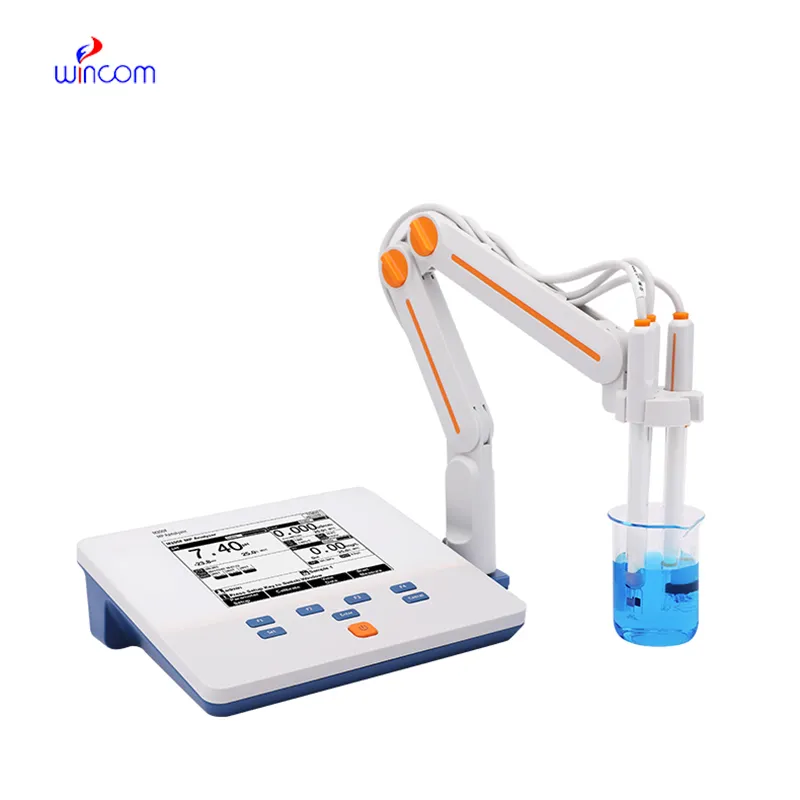
The meter body, display, and buttons are usually straightforward to protect. The combination electrode is different: its glass sensing bulb and reference junction must remain clean and appropriately conditioned to respond predictably. A dry or fouled junction can make calibration drift, even when the display and electronics appear normal. That is why a maintenance plan should separate instrument care from electrode care instead of treating the whole system as one sealed device.
Immediately after a reading, rinse the electrode with clean water appropriate to the procedure, then gently blot it with lint-free tissue. Do not scrub the glass bulb or wipe it aggressively. Mechanical rubbing can create static effects and can damage delicate surfaces. If a sample leaves protein, oil, salts, or other visible residue, use a cleaning method approved for that electrode and sample type, then rinse again before storage. The correct cleaner depends on the contaminant, so the lab should record the method rather than improvise at the bench.
The storage cap needs enough solution to keep the bulb and junction moist. Use the electrode manufacturer’s specified storage solution. If that instruction is unavailable, pause before substituting a liquid: the required formulation can vary by electrode design. Distilled or deionized water is useful for rinsing, but it is generally a poor long-term storage liquid because it can change the reference environment. Never store a pH electrode dry unless its own instructions explicitly allow it.
Check the cap before putting the meter away. It should be clean, intact, and seated without forcing it over the bulb. Replace evaporated or contaminated storage liquid, and keep the electrode upright when its design and holder allow it. This reduces the chance that solution drains away from the sensing area. For a benchtop system, choose a stable stand or holder rather than leaving the probe across the work surface, where the cable can be pulled or the bulb can strike glassware.
Calibration confirms the relationship between the electrode signal and known buffer values. It also reveals whether cleaning, conditioning, or replacement is needed. Use buffers that suit the expected measurement range and follow the instrument procedure for temperature and calibration points. Pour a working portion instead of putting a used electrode back into the buffer bottle. Label the portion, keep it covered, and discard it according to the laboratory procedure rather than returning it to stock.
Review the calibration result, not just the acceptance message. A slow stabilization time, repeated failure to recognize a buffer, or a changing result in the same buffer is useful diagnostic information. First check buffer condition, temperature, connector seating, and visible electrode contamination. Then clean or condition the electrode as its instructions permit. If the behaviour remains, record the symptom and consult the supplier or service route with the meter model, electrode type, buffer values, sample matrix, temperature, and calibration observations. This sequence avoids replacing components before the cause is clear.
Storage location matters as much as storage liquid. Keep the meter and electrode away from direct sun, extreme temperatures, vibration, corrosive fumes, and splash-prone positions. Do not use the cable as a handle or wind it tightly around the instrument. Tight bends can stress conductors and strain the connector, creating faults that look like intermittent measurement problems. Disconnect accessories only by their intended connector body, with dry hands and a dry port.
Before storage, clean the meter housing with a soft cloth and only the cleaning approach permitted for the housing. Do not allow liquid into connection ports, display edges, or power interfaces. For instruments that remain plugged in, confirm that the local electrical supply matches the model’s specified requirements. For a unit that will be idle for an extended period, follow its operating instructions for power status, battery management if applicable, and periodic inspection. A short scheduled check is cheaper than discovering a dry probe on the day of a quality-control test.
Frequent rinsing and solution checks take a few minutes, while delayed maintenance can consume a testing shift through failed calibration and troubleshooting. The routine must still fit the sample matrix: a lab processing viscous, oily, or protein-rich samples may need a more specific cleaning step than a lab measuring clear aqueous buffers.
A maintenance routine should be compatible with the meter, electrode, and workflow rather than copied from a generic checklist. Confirm which electrode is supplied, which storage liquid is approved, the calibration procedure, the applicable temperature conditions, and whether replacement electrodes are available before standardizing a site procedure. These details are especially important for distributors and lab managers who need consistent setup across multiple benches.
Recommended Benchtop pH Meter
Wincom PH-2F
Wincom's PH-2F is a benchtop pH meter supplied with an E-201-C combination electrode and standard buffer. Its measuring range covers pH 0.00 to 14.00, mV 0 to plus or minus 1400 mV, and temperature from 0 to 60 degrees C, with pH resolution of 0.01. For teams that need a standard bench arrangement, those included components make it practical to define a repeatable receiving, calibration, cleaning, and storage checklist from day one. Before purchase or replacement, confirm the current electrode storage instructions, local power compatibility, accessories, and documentation for the intended sample workflow.
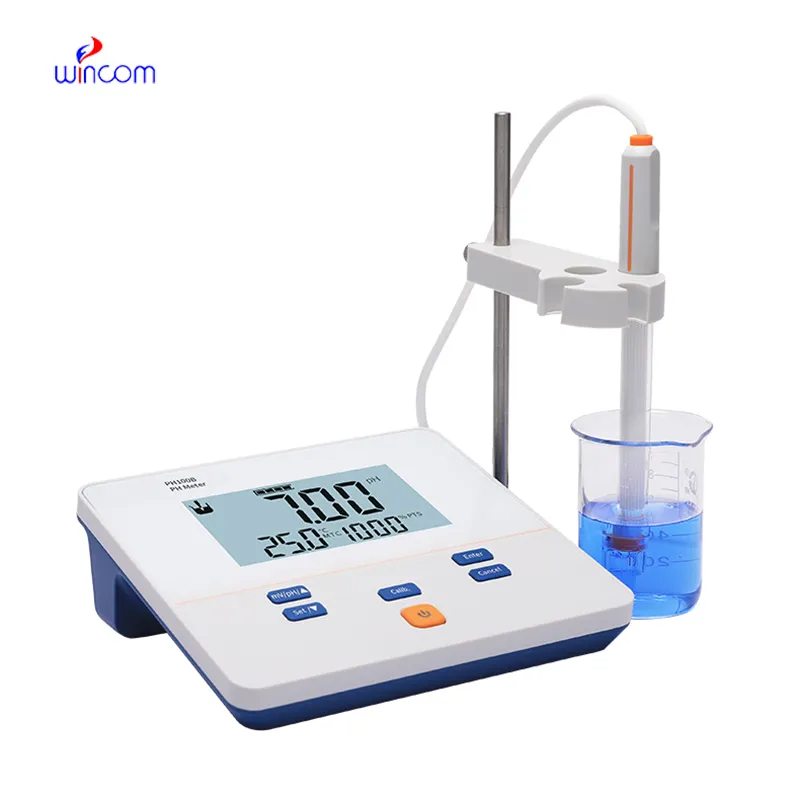
An electrode may need replacement when careful cleaning, fresh buffers, correct storage, and documented conditioning do not restore stable calibration and response. Do not make that decision from one troublesome sample alone. Compare performance in fresh buffers, inspect for damage, and rule out connector or procedure errors. For a controlled laboratory, retain the troubleshooting record so a replacement decision is traceable and the same issue does not recur with the next probe.
For a new meter, an added electrode, or an unresolved performance concern, send us a concise request: application, sample composition, normal pH range, sample temperature, cleaning agents, calibration buffers, intended storage interval, and local power supply. That information is more useful than a general request for a “durable” meter because it lets the supplier review the full measurement and care conditions.
Use distilled or deionized water for rinsing when appropriate, not as a default long-term storage liquid. Follow the electrode manufacturer’s storage-solution instructions. If your existing probe documentation is unavailable, request the exact storage recommendation before leaving it idle.
Start with fresh buffers, correct calibration steps, visual inspection, and approved cleaning or conditioning. If readings remain slow or unstable, give the supplier the electrode type, buffers, temperature, sample matrix, and observed calibration behaviour so the cause can be assessed before a replacement is ordered.
The PH-2F is supplied with an E-201-C combination electrode and standard buffer. Confirm the current package contents, electrode storage instructions, power compatibility, and the suitability of the electrode for your samples through the PH-2F product page or our contact channel before purchase.
Need help choosing or maintaining a pH meter?
Tell us your sample type, pH range, temperature and cleaning routine. Wincom will recommend a benchtop pH meter and the matching electrode, storage solution and calibration consumables for your workflow.
Or review the Wincom PH-2F pH meter and browse all pH meters.
E-mail: [email protected]
Tel: +86-731-84176622
+86-731-84136655
Address: Rm.1507,Xinsancheng Plaza. No.58, Renmin Road(E),Changsha,Hunan,China


 EN
EN
 af
af
 es
es
 ar
ar
 tr
tr
 sw
sw
 pt
pt
 th
th
 ur
ur
 bn
bn
 ne
ne
 vi
vi
 km
km
 lo
lo
 de
de
 ru
ru
 fi
fi
 nl
nl
 fa
fa
 fr
fr
 ko
ko


