The structure of Vacuum Blood Collection Blue has been improved to suit both clinical and laboratory applications. Sealing, sterilization, and pre-added substances keep blood samples in their most stable form. Besides, they are used in hospitals for several purposes such as preventing clotting, keeping cellular components alive, and facilitating accurate diagnostic tests. The standardization of their sizes and the color-coded caps used for them help in easy identification and also minimize pre-analytical errors. The integration of Vacuum Blood Collection Blue with laboratory instruments like centrifuges and analyzers results in improved workflow and reliable results. These tubes are indispensable in both hospitals and research laboratories as they help maintain the accuracy and efficiency of the processes.

Vacuum Blood Collection Blue are utilized in clinical chemistry laboratories for the automated testing of metabolic, enzymatic, and hormonal markers. The use of pre-filled additives like clot activators or anticoagulants help in maintaining the quality of the sample so that it can be analyzed with precision. Moreover, the tubes have compatibility with high-throughput centrifuges and analyzers, which results in the optimization of laboratory operations. The proper labeling and color-coding practices not only enhance traceability but also minimize pre-analytical errors. The use of Vacuum Blood Collection Blue by laboratories will enable them to obtain reliable and reproducible results over different assays, thereby assisting in diagnosis, treatment planning and patient monitoring in both hospital and research settings with a high degree of accuracy.
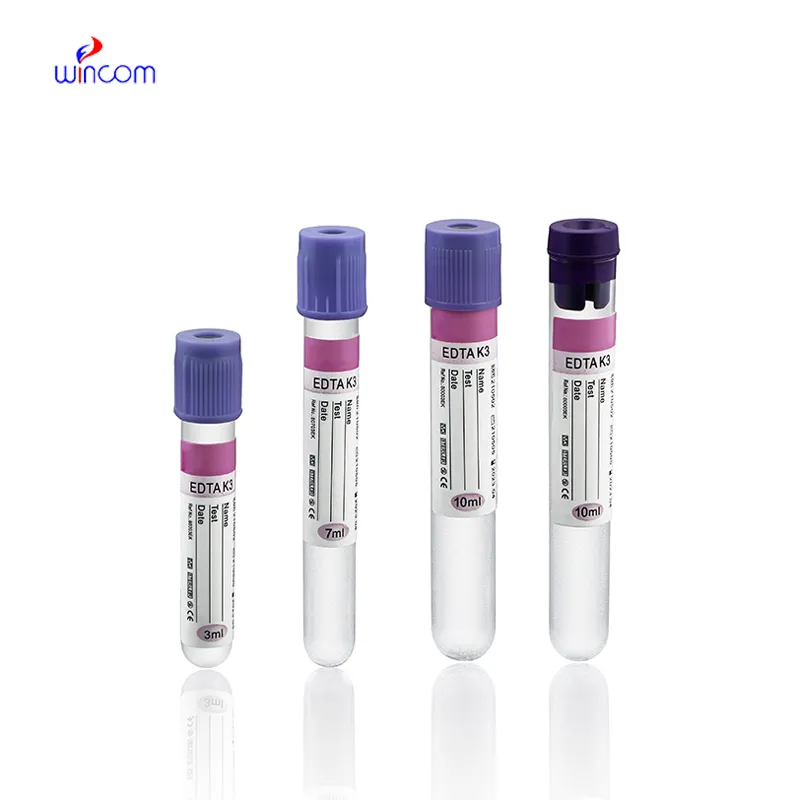
The upcoming Vacuum Blood Collection Blue generation might emphasize the reduction of sample volumes accompanied by high accuracy, especially in the case of testing newborns and infants, at the same time. Less blood from the patient will imply less discomfort, and hospitals will be able to conduct several tests simultaneously. The tubes could be equipped with improved chemical stabilization that would allow their longer storage and transport without compromising the quality of the results. The use of laboratory information systems and automated analyzers will be combined which will result in the workflows being optimized, errors being reduced, and high-throughput testing being supported. The future Vacuum Blood Collection Blue will probably be the ones that ensure ergonomic, eco-friendly, and tech-savvy design, which will hold up to the changing demands of both the clinical settings and research.
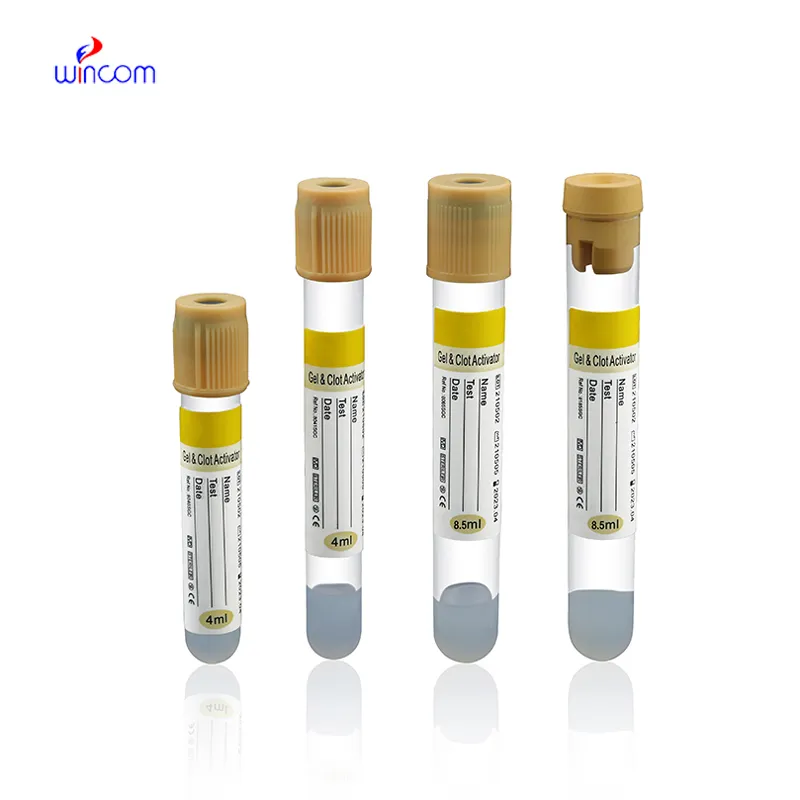
The proper upkeep of Vacuum Blood Collection Blue is based on the faithful following of hospital and laboratory regulations. Additive types should not be mixed up, so clearly marked places should be used for tubes storage. By environmental monitoring, temperature and humidity are kept at the right levels. During transport across the hospital, tubes are to be kept safe from shocks and severe movements. The training of personnel is an essential factor in correct handling and disposal. The above mentioned activities contribute to the uniform performance of tubes, minimization of errors, and better and safer blood collection for clinical diagnostics.
In blood banks and transfusion centers, Vacuum Blood Collection Blue are the main components in the process of collecting and storing the blood samples from donors for compatibility tests and for screening infectious diseases. The blood samples are taken and put into tubes with anticoagulants that inhibit coagulation and keep the cells in a living state. The correct labeling and the proper treatment of the samples assure their identification throughout the whole donation process. The staff trusts Vacuum Blood Collection Blue to keep the samples in good condition while doing serological and molecular tests. Their manufacturing allows for both manual and automated laboratory processes, thus they are very important for the safe transfusion of blood and delivery of compatible blood products to patients in hospitals.
Q: What additives are found in Blood Collection Tubes? A: Additives may include anticoagulants, clot activators, or gel separators depending on test requirements. Q: How do Blood Collection Tubes support accurate testing? A: They preserve blood components and prevent degradation during transport and processing. Q: Are Blood Collection Tubes compatible with automated analyzers? A: Yes, most tubes are designed to work with modern laboratory automation systems. Q: Why is proper tube selection important in hospitals? A: Using the correct tube ensures reliable test results and reduces pre-analytical errors. Q: Do Blood Collection Tubes have expiration dates? A: Yes, expiration dates ensure additives remain effective and safe for use.
The microscope delivers incredibly sharp images and precise focusing. It’s perfect for both professional lab work and educational use.
The hospital bed is well-designed and very practical. Patients find it comfortable, and nurses appreciate how simple it is to operate.
To protect the privacy of our buyers, only public service email domains like Gmail, Yahoo, and MSN will be displayed. Additionally, only a limited portion of the inquiry content will be shown.
We’re interested in your delivery bed for our maternity department. Please send detailed specifica...
We are planning to upgrade our imaging department and would like more information on your mri machin...
E-mail: [email protected]
Tel: +86-731-84176622
+86-731-84136655
Address: Rm.1507,Xinsancheng Plaza. No.58, Renmin Road(E),Changsha,Hunan,China


 EN
 af
 es
 ar
 tr
 sw
 pt
 th
 ur
 bn
 ne
 vi
 km
 lo
 de
 ru
 fi
 nl
 fa
 fr
 ko