In the hospital and laboratory environments, anesthesia machines provides a complete anesthesia management solution by integrating gas delivery, ventilation support, and continuous physiological monitoring. The equipment measures oxygen saturation, airway pressures, and respiratory parameters, thus enabling anesthesiologists to react promptly to the demands of the patients. A precise control of anesthetic gases is guaranteed by integrated safety alarms and adjustable flow systems. anesthesia machines finds its utility in operating rooms, emergency care units, and laboratory-based clinical studies. Its dependable performance not only secures patient stability but also increases the efficiency of the procedure and facilitates uniform monitoring across various hospital settings.

anesthesia machines is frequently employed in the ICU to give controlled sedation and respiratory support to patients in serious condition. Critical patients who are mechanically ventilated usually need exact anesthetic management to alleviate stress and discomfort. The device makes it possible to perpetually modify ventilation parameters and anesthetic concentration according to the patient’s condition. Staff in the ICU make use of anesthesia machines to keep patients sedated during invasive interventions or durative respiratory support. This particular use emphasizes its significance outside the operating room, thus reaching the area of long-term critical care management.

It is expected that the integration of remote monitoring technologies will greatly influence the development in anesthesia machines. Anesthesiologists would be able to monitor several machines from main control rooms located in hospitals. This method helps not only to increase but also to facilitate the work flow and rapid reactions in large medical centers. In hospitals where teaching takes place, remote access may also be a powerful tool for education and supervision. The ever-increasing connectivity indicates that anesthesia machines will be included in the extensive monitoring ecosystems of the entire hospital.

It is vital to have a long-term maintenance plan for controlling anesthesia machines in the various hospital departments. The schedules of preventive maintenance allow for predicting replacement of the components even before their performance drops. The alliance between the clinicians and the technicians guarantees that service is provided at the right time. This systematic method enables uninterrupted use of anesthesia machines. Through the preventive maintenance approach, the hospitals are always ready to operate and, at the same time, they are taking care of their investment in the medical devices that are most critical.
Hospital intensive care units make use of anesthesia machines for sedation and ventilation support in critically ill patients. The instrument guarantees the patient's safety during the surgical interventions because it is capable of delivering precise anesthetics and monitoring the patient's respiration at the same time. It has alarm systems and customizable settings that enable quick reaction to changes in the body's functions. By ensuring dependable anesthesia and ventilation support, anesthesia machines becomes a crucial factor in the provision of safe and high-quality patient care in the areas of surgery and critical care labs.
Q: Can the Anesthesia Machine be utilized in places apart from the operating rooms? A: It can also be applied in emergency rooms, ICUs, and procedure suites. Q: What is the significance of ventilation in the anesthesia process? A: The patient’s oxygen exchange is kept at a good level during anesthesia by ventilation. Q: Are the machine’s components disposable? A: To keep the hygiene level high, it is common that breathing circuits and masks are for single use only. Q: In what ways does the machine contribute to patient safety? A: Active monitoring and alerts are there to spot the unfit conditions earlier than anyone else. Q: Is the calibration of the device done frequently? A: Calibration ensures not only the accuracy of gas delivery but also the quality of monitoring performance.
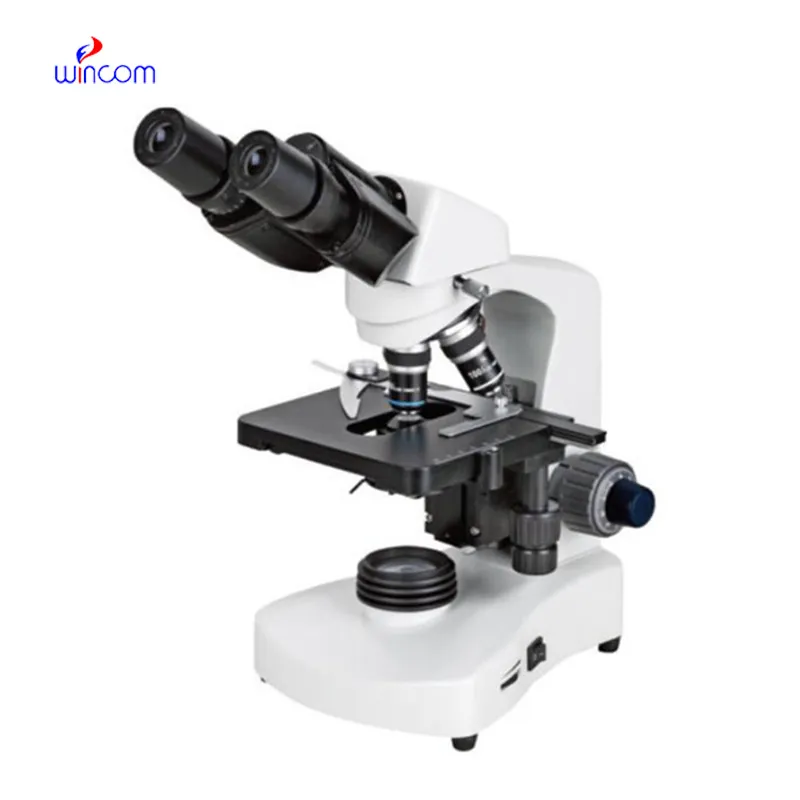
I’ve used several microscopes before, but this one stands out for its sturdy design and smooth magnification control.
We’ve been using this mri machine for several months, and the image clarity is excellent. It’s reliable and easy for our team to operate.
To protect the privacy of our buyers, only public service email domains like Gmail, Yahoo, and MSN will be displayed. Additionally, only a limited portion of the inquiry content will be shown.
We’re currently sourcing an ultrasound scanner for hospital use. Please send product specification...
We are planning to upgrade our imaging department and would like more information on your mri machin...
E-mail: [email protected]
Tel: +86-731-84176622
+86-731-84136655
Address: Rm.1507,Xinsancheng Plaza. No.58, Renmin Road(E),Changsha,Hunan,China


 EN
EN
 af
af
 es
es
 ar
ar
 tr
tr
 sw
sw
 pt
pt
 th
th
 ur
ur
 bn
bn
 ne
ne
 vi
vi
 km
km
 lo
lo
 de
de
 ru
ru
 fi
fi
 nl
nl
 fa
fa
 fr
fr
 ko
ko