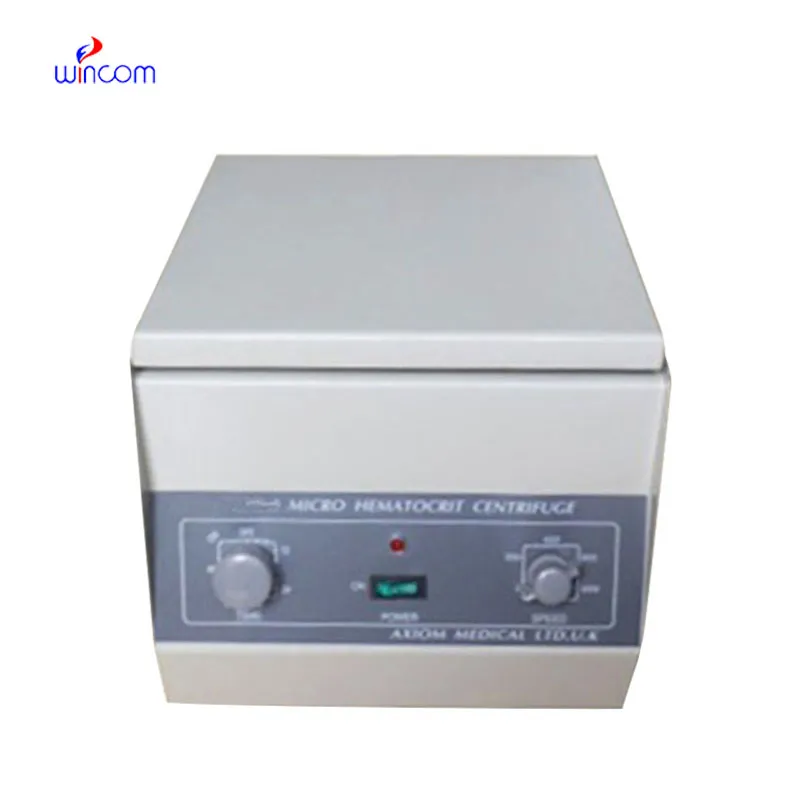
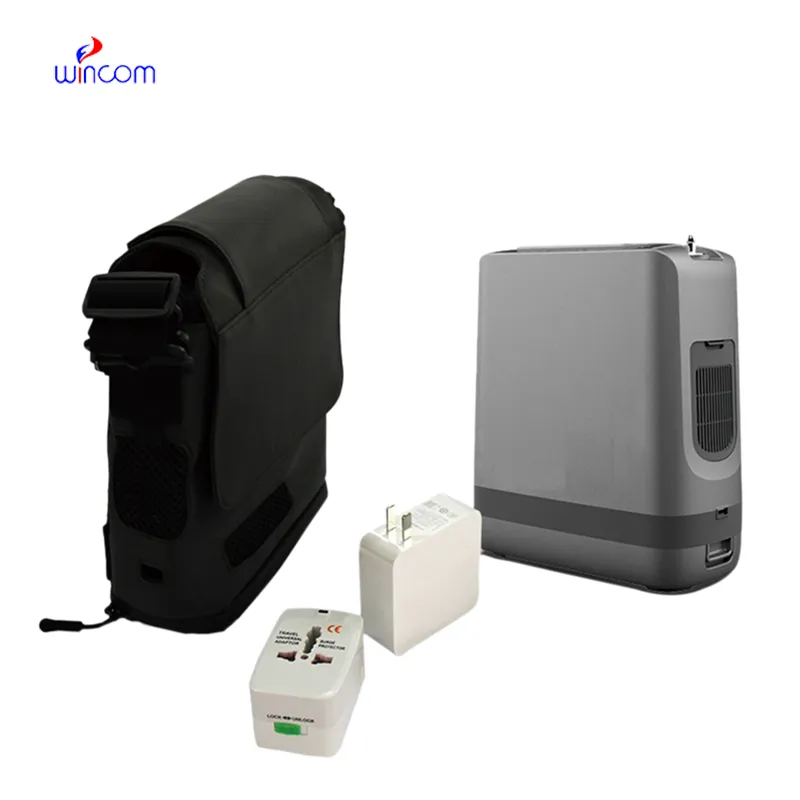
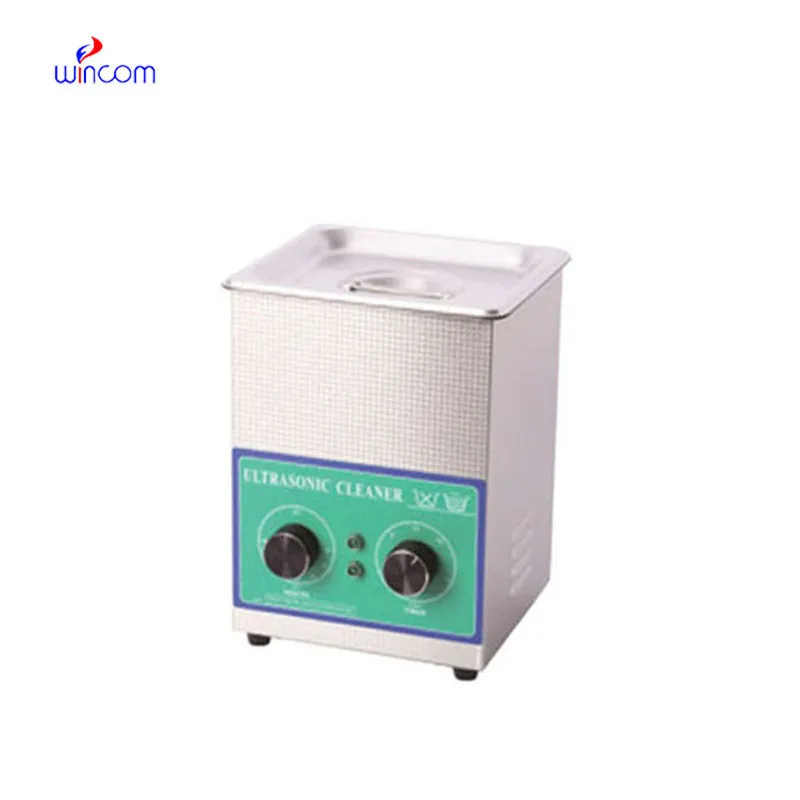
With versatility and accuracy in mind, the circulating cooling water bath is best for any laboratory function where temperature stability matters. It incorporates intelligent heating elements that distribute even heat across the water surface. The circulating cooling water bath is built with long-lasting materials that can endure long-term operation and exposure to various substances. Its control panel is simple to program temperature and monitor. With its smooth surface and lid that can be removed, cleaning and maintenance are a breeze. The circulating cooling water bath offers consistent thermal conditions, maximizing experiment dependability and laboratory productivity.

The circulating cooling water bath is made for consistent and accurate heating for various laboratory applications. It is used extensively for microbial incubation, DNA extraction, and research in chemical reactions. In material science, the circulating cooling water bath can be used for melting point testing and viscosity alterations under specific conditions. Its consistent heating prevents the deterioration of samples, and its programmatic nature allows researchers to maintain precise environments. The circulating cooling water bath allows reproducible results for research labs and industrial labs that need thermal precision.

In the near future, the circulating cooling water bath will consist of intelligent systems capable of automating laboratory processes. Predictive maintenance features will alert users before failure, conserving time. Cloud connectivity will ensure seamless data sharing between research labs, promoting collaboration and quality control. The circulating cooling water bath will also consist of adaptive temperature algorithms that respond dynamically to sample conditions. With continued focus on sustainability and automation, it will redefine laboratory heating equipment for a digital precision age.

Regular maintenance keeps the circulating cooling water bath in good operating condition. Drain the tank every now and then and clean the interior with gentle soap and warm water. Clean well to prevent residue. Never use rough chemicals which will rust inner linings. Inspect check controls and the power cord for wear and tear, and maintain ventilation openings unobstructed. Calibration checks provide continuous temperature accuracy. Throughout normal maintenance, the circulating cooling water bath will provide precise and reliable heat for lab testing and research.
Designed for precise temperature regulation, the circulating cooling water bath ensures steady heating during scientific processes. It is largely used in laboratories for incubation of samples, thawing reagents, or heating solutions in precise conditions. The circulating cooling water bath features a heavy-duty construction and rust-resistant interiors to ensure durability and sterility. Its digital interface allows users to set and hold precise temperatures with precise accuracy. Quiet operation and uniform temperature stability make the circulating cooling water bath a trustable device for repeated laboratory use.
Q: What temperature range can a laboratory water bath typically achieve? A: Most laboratory water baths operate between ambient temperature and approximately 100°C, allowing precise control for a variety of experiments. Q: How does a water bath ensure even heating across samples? A: The circulation of water, either by convection or a built-in stirrer, ensures uniform temperature distribution throughout the chamber. Q: Why should a water bath be calibrated regularly? A: Regular calibration ensures temperature accuracy, preventing errors that could affect the results of sensitive laboratory processes. Q: What materials are commonly used in constructing a water bath? A: High-quality stainless steel is typically used for the inner chamber to resist corrosion and ensure durability under continuous heating. Q: How can overheating be prevented when using a water bath? A: Many modern units feature automatic temperature cutoffs and alarms that activate if the set temperature exceeds safe limits.
The water bath performs consistently and maintains a stable temperature even during long experiments. It’s reliable and easy to operate.
This x-ray machine is reliable and easy to operate. Our technicians appreciate how quickly it processes scans, saving valuable time during busy patient hours.
To protect the privacy of our buyers, only public service email domains like Gmail, Yahoo, and MSN will be displayed. Additionally, only a limited portion of the inquiry content will be shown.
We’re interested in your delivery bed for our maternity department. Please send detailed specifica...
I’m looking to purchase several microscopes for a research lab. Please let me know the price list ...
E-mail: [email protected]
Tel: +86-731-84176622
+86-731-84136655
Address: Rm.1507,Xinsancheng Plaza. No.58, Renmin Road(E),Changsha,Hunan,China


 EN
EN
 af
af
 es
es
 ar
ar
 tr
tr
 sw
sw
 pt
pt
 th
th
 ur
ur
 bn
bn
 ne
ne
 vi
vi
 km
km
 lo
lo
 de
de
 ru
ru
 fi
fi
 nl
nl
 fa
fa
 fr
fr
 ko
ko