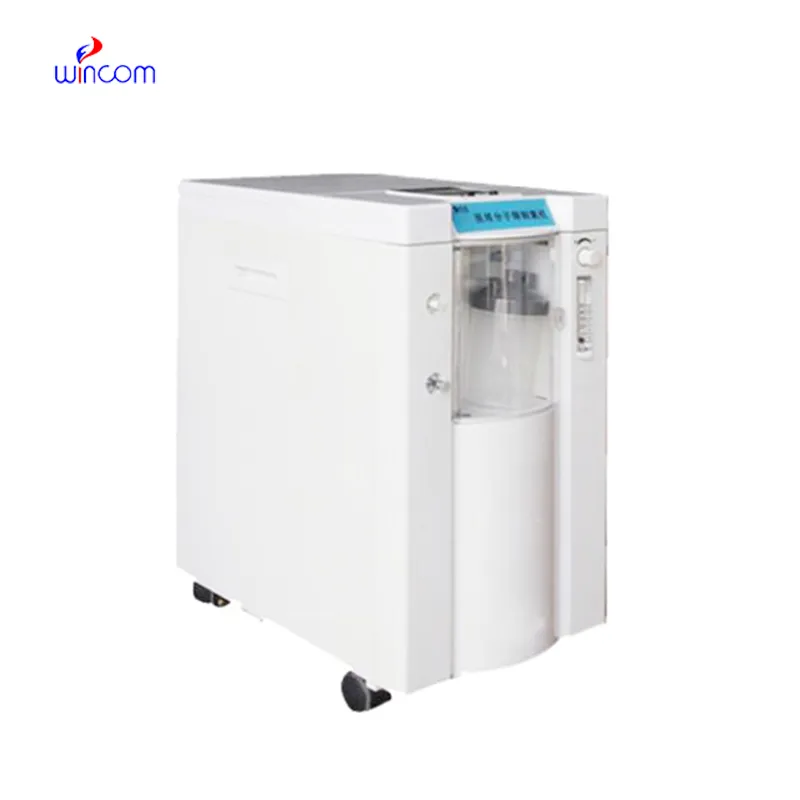
scavenger system anesthesia machine is capable of perfecting the anesthetic gas mixtures and at the same time providing mechanical ventilation for the patients during the surgical process. Its monitoring systems keep a check on the various vital parameters like oxygen saturation, airway pressure, and tidal volume. This device is widely in use in hospitals and clinical laboratories for the exact purpose of keeping sedation and respiratory function under control. The collaboration of alarm systems, flow controls that can be modified, and a real-time display permits anesthesiologists to react without delay to physiological changes. scavenger system anesthesia machine offers safe and effective anesthesia delivery which is why it is considered a must-have in operating rooms, emergency care units, and research places.

In the pediatric wards, scavenger system anesthesia machine is the method of choice for the provision of anesthesia according to children's physiological characteristics. The pediatric population is often subjected to meticulous ventilation and anesthetic dosage control because of their small airways and high sensitivity. The machine contributes to the maintenance of gentle ventilation and precise gas delivery during operations. Its monitoring feature is a constant companion to the medical practitioners who are checking the respiration rates and the oxygen concentrations. This use case points out the necessity of scavenger system anesthesia machine in guaranteeing the safety of young patients when they get anesthetized in hospitals.

The scavenger system anesthesia machine future is projected to concentrate on a better digital integration in hospital systems. The advanced connectivity will let anesthesia data to be automatically merged with electronic medical records and centralized monitoring systems. This will encourage sharing of data in real-time across operating rooms, ICUs, and laboratories. Better software interfaces might enable anesthesiologists to interpret respiration trends in a more effective manner. The smarter hospitals will lead to the scavenger system anesthesia machine being a more connected device, thus enabling better patient care and the shared clinical decisions among departments.

The gas delivery parts of scavenger system anesthesia machine maintenance need to be very careful. It is a must to have the oxygen sensors and gas flow regulators tested frequently to verify their correctness. Performance issues can be caused if the hose or connector leaks are not detected and fixed soon. In the operating theaters, dependable gas supply is a means of securing the patients' safety during the surgeries. Periodic testing makes sure that the apparatus is always operating properly under different clinical scenarios.
In contemporary medical centers, scavenger system anesthesia machine is implemented for the purpose of ensuring stability in anesthesia throughout intricate surgical procedures. It manages the amount of anesthetic gasses and at the same time gives continuous feedback on the patient's breathing and oxygen levels. The apparatus permits uninterrupted observation of life signs and makes it possible to carry out modifications according to the needs of the patient. Moreover, scavenger system anesthesia machine facilitates accurate anesthesia management, thereby mitigating the dangers linked to both over- and under-sedation and leading to the best possible patient outcomes in all hospital operating rooms and clinical labs.
Q: What is the main function of an anesthesia machine? A: Controlled anesthetic gases are delivered and the patient is ventilated during medical procedures. Q: Where is the anesthesia machine frequently used? A: Hospitals mainly use it in their operating rooms, emergency units, and intensive care departments. Q: Who operates the anesthesia machine during surgery? A: Trained anesthesiologists or anesthesia technicians are responsible for operating the device. Q: Can the anesthesia machine assist the breathing of a patient? A: Yes, by providing mechanical ventilation support when spontaneous breathing is insufficient. Q: Does the device monitor respiratory parameters? A: It monitors airflow, pressure and oxygen concentration all through the delivery.
This ultrasound scanner has truly improved our workflow. The image resolution and portability make it a great addition to our clinic.
The microscope delivers incredibly sharp images and precise focusing. It’s perfect for both professional lab work and educational use.
To protect the privacy of our buyers, only public service email domains like Gmail, Yahoo, and MSN will be displayed. Additionally, only a limited portion of the inquiry content will be shown.
I’m looking to purchase several microscopes for a research lab. Please let me know the price list ...
I’d like to inquire about your x-ray machine models. Could you provide the technical datasheet, wa...
E-mail: [email protected]
Tel: +86-731-84176622
+86-731-84136655
Address: Rm.1507,Xinsancheng Plaza. No.58, Renmin Road(E),Changsha,Hunan,China


 EN
 af
 es
 ar
 tr
 sw
 pt
 th
 ur
 bn
 ne
 vi
 km
 lo
 de
 ru
 fi
 nl
 fa
 fr
 ko