
Blog
Spectrophotometers are commonly used analytical tools in laboratories to quantitatively analyze components in samples based on a substance's absorption or emission characteristics of light at specific wavelengths. With its high accuracy and reliability, spectrophotometer plays a vital role in drug testing, environmental monitoring, biochemical research and other fields. To ensure the accuracy of analytical results, the correct use of a spectrophotometer for quantitative analysis is the key.
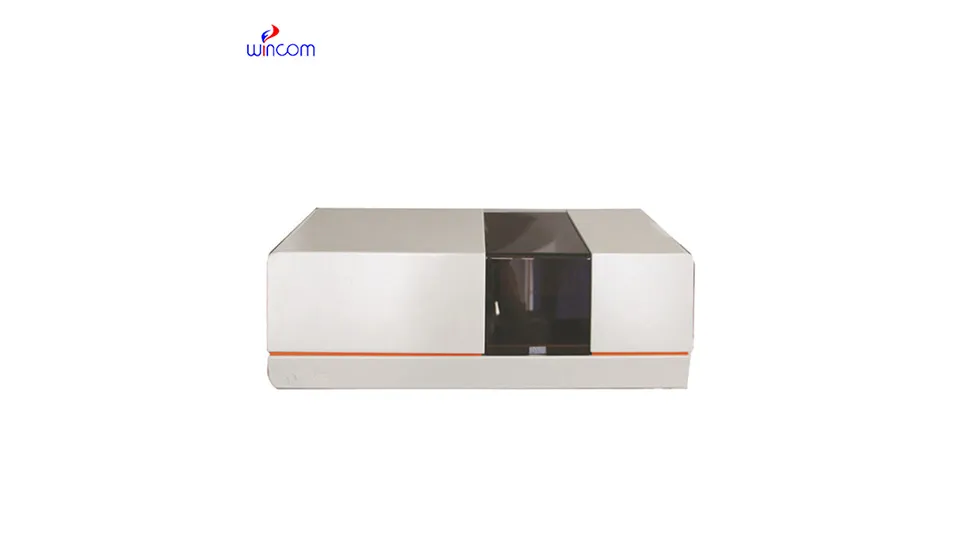
1. Instrument calibration: Ensure that the spectrophotometer has been strictly calibrated before use. Calibrate the instrument with standard solutions to ensure accurate readings.
2. Sample preparation: Depending on the type of sample to be analyzed, filtration, dilution or other forms of pretreatment may be needed to adapt to the measurement requirements of the spectrophotometer.
3. Select the appropriate wavelength: Select the optimal wavelength according to the absorption spectrum characteristics of the material to be tested, and generally select the maximum absorption wavelength for measurement.
1. Set the instrument: Turn on the spectrophotometer, warm up and set it to the appropriate wavelength.
2. Establish a baseline: Use the same solvent as the sample as a blank control to establish a baseline to eliminate the effect of solvent on absorbance.
3. Load sample: Add the prepared sample to the cuvette, taking care not to have bubbles or stains.
4. Start measurement: Insert the cuvette into the sample chamber, close the cover, start measurement, and record the absorbance value.
5. Repeated measurement: In order to ensure the repeatability of the data, it is best to measure each sample multiple times and take the average value as the final result.
1. Calculate concentration: Calculate the concentration of the target substance in the sample based on the absorbance and standard curve.
2. Standard curve: If a spectrophotometer is used for quantitative analysis for the first time, it is necessary to prepare a series of standard solutions with known concentrations and draw a standard curve.
3. Data comparison: Compare the actual measurement results with the theoretical values or standard values to evaluate the accuracy and precision of the method.
1. Avoid interference from impurities: Ensure the purity of samples and solvents and avoid interference from impurities on absorbance.
2. Temperature effect: Keep the temperature of the environment where the sample and instrument are located constant, because temperature changes may affect the measurement results.
3. Cleaning of the cuvette: Ensure that the inside and outside of the cuvette are clean and free of residues, so as not to affect the transmittance and measurement accuracy.
The correct use of a spectrophotometer for quantitative analysis requires not only being familiar with the operating procedures, but also paying attention to details such as sample processing, instrument calibration, and measurement skills. By strictly abiding by operating procedures and precautions, the accuracy and reproducibility of quantitative analysis can be effectively improved, making spectrophotometer an indispensable analytical tool for scientific research and quality control.
By following the above steps and precautions, you can effectively use the spectrophotometer for quantitative analysis to ensure the accuracy and reliability of the experimental results.
E-mail: [email protected]
Tel: +86-731-84176622
+86-731-84136655
Address: Rm.1507,Xinsancheng Plaza. No.58, Renmin Road(E),Changsha,Hunan,China


 EN
EN
 af
af
 es
es
 ar
ar
 tr
tr
 sw
sw
 pt
pt
 th
th
 ur
ur
 bn
bn
 ne
ne
 vi
vi
 km
km
 lo
lo
 de
de
 ru
ru
 fi
fi
 nl
nl
 fa
fa
 fr
fr
 ko
ko


