
Blog
The core components and functions of the laboratory heating reflux device are as follows:
◆ Reaction vessel (such as a round-bottomed flask or a three-necked flask): It is used to hold the reaction materials and can withstand the temperature changes during heating. Some experiments require a stirring device to ensure that the reactants are thoroughly mixed.
◆ Condenser (spherical, straight, serpentine, etc.): This device cools the evaporated solvent vapor into a liquid, which then flows back into the reaction vessel. This prevents the loss of solvent vapor and also keeps the vapor farther away from the heat source, making it safer.
◆ Heating devices (such as boiling water bath and oil bath): Provide a stable heat source and precisely control the reaction temperature. The temperature of the boiling water bath is approximately 100℃, while the oil bath is suitable for experiments requiring higher temperatures.
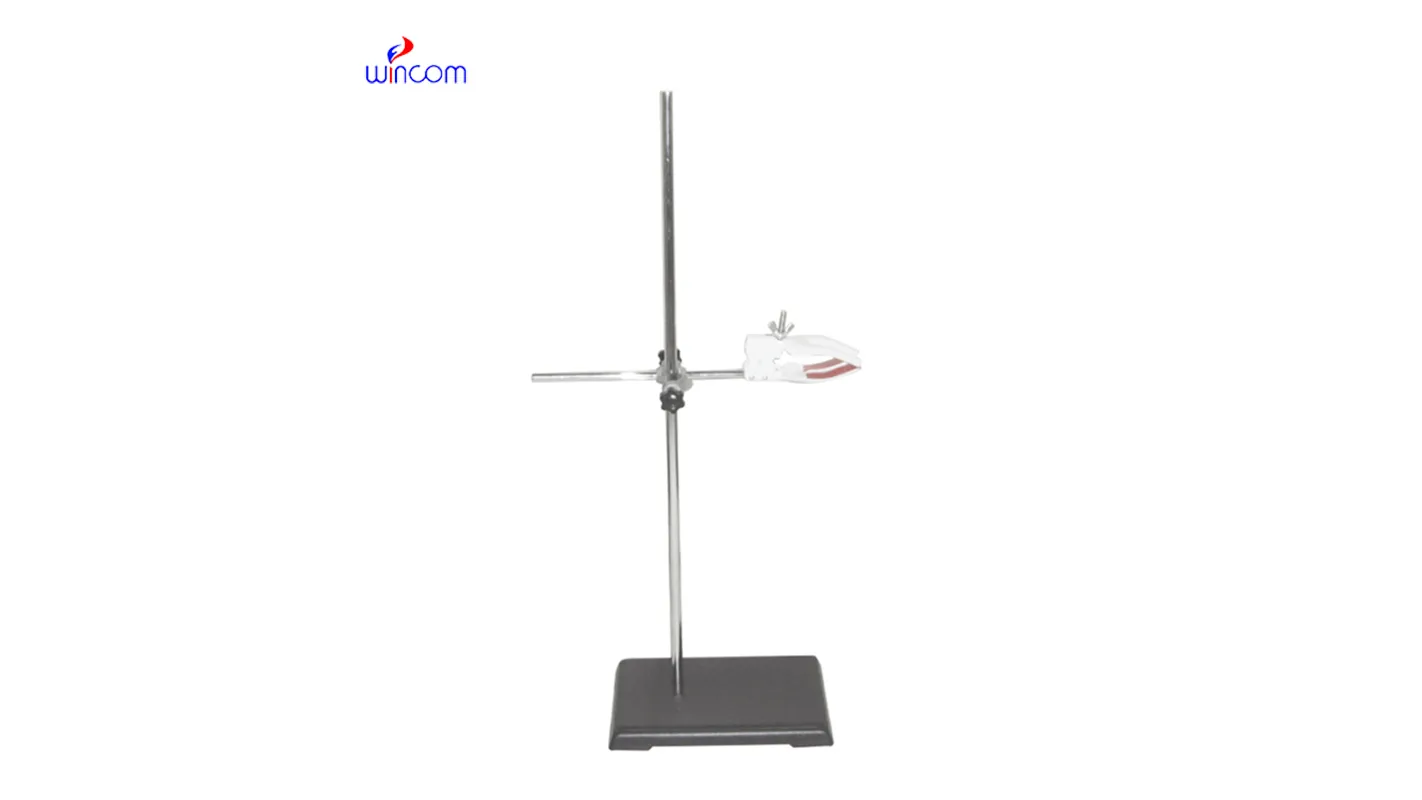
◆ Fixing devices (iron stands, clamps): These are used to secure the position of the reaction vessel and the condenser tube, making the setup more stable. They prevent the device from loosening or falling during heating, ensuring the safety of the experiment.
◆ Auxiliary components (such as the dropping funnel and the water separator): The dropping funnel enables the gradual addition of reactants, allowing control over the reaction rate; the water separator separates the water or other by-products generated during the reaction, facilitating the reaction to proceed in the direction of the product.
The heating reflux device in the laboratory mainly controls the reaction conditions through the following methods:
◆ Stable heating: Heat is evenly distributed through water bath or oil bath to prevent any localized overheating. The temperature is controlled around the boiling point of the solvent (for example, about 100°C in boiling water bath), which is suitable for experiments requiring gentle heating, such as organic synthesis and substance purification.
◆ Prevent evaporation: The condenser cools and reboils the evaporated solvent back into the reaction system, maintaining a stable concentration of reactants. This helps reduce solvent loss, lower experimental costs, and minimize environmental pollution.
◆ Control the reaction process: Add the reactants in batches through the dropping funnel to prevent the reaction from being too intense; the water separator can separate the generated water, allowing the reversible reaction to proceed in the direction of the product, such as in esterification reactions.
◆ Enhance efficiency and safety: Ensure that the reactants are fully mixed, increase the reaction rate and yield. The steam is cooled by the condenser and moved far away from the heat source, reducing operational risks and making the experiment safer and more efficient.
Laboratory heating reflux devices are widely used in the following scenarios:
◆ Organic synthesis: For example, the preparation of ethyl acetate (a reflux reaction between ethanol and acetic acid under the catalysis of concentrated sulfuric acid), synthesis of ester/ether/amide compounds. By promoting the contact of reactants through reflux, the yield can be increased.
◆ Material purification: During recrystallization, dissolve the substance, then cool it down. Use a reflux system to control the crystallization process; when concentrating the solution, evaporate the solvent and conduct a reflux to minimize losses.
◆ Extraction of natural products: Extract volatile oils (such as menthol, limonene) from plants (such as mint, citrus peels), or extract active ingredients (such as vitamin A, DHA) from animal tissues.
◆ Drug and Food Analysis: Purification of active pharmaceutical ingredients (such as artemisinin), detection of food additives (preservatives, colorants) or solvent residues (ethanol, dichloromethane).
◆ Environmental Monitoring: Extract pollutants (such as polycyclic aromatic hydrocarbons and pesticide residues) from soil or water bodies, or analyze volatile organic compounds (VOCs) in the atmosphere.
E-mail: [email protected]
Tel: +86-731-84176622
+86-731-84136655
Address: Rm.1507,Xinsancheng Plaza. No.58, Renmin Road(E),Changsha,Hunan,China


 EN
EN
 af
af
 es
es
 ar
ar
 tr
tr
 sw
sw
 pt
pt
 th
th
 ur
ur
 bn
bn
 ne
ne
 vi
vi
 km
km
 lo
lo
 de
de
 ru
ru
 fi
fi
 nl
nl
 fa
fa
 fr
fr
 ko
ko


